What ballot tax measures mean for your taxes and business
Learn how state ballot tax measures can affect your personal and business taxes. Get tips to review proposals and prepare for upcoming changes.

Articles are general information for businesses and individuals, not tax or legal advice.

When tax measures appear on state ballots, voters are given a direct say in shaping how individual and business taxes are structured. This year, approximately 40 different tax-related proposals are up for decision in 17 states, ranging from potential tax increases for high earners to permanent low-rate structures.
Understanding what ballot tax measures are, how they could affect both individuals and businesses, and how to prepare for future changes can help you stay informed and proactive about your tax planning.
How ballot tax measures work
Ballot tax measures are proposals placed before voters during an election. Instead of the legislature deciding alone, the public directly accepts or rejects the proposed tax laws by voting. These measures can address a variety of issues including:
- Introducing new taxes
- Adjusting existing tax rates or brackets
- Modifying how taxes are collected or spent
- Establishing or eliminating tax exemptions
- Setting constitutional limitations on tax increases
Ballot tax measures can cover everything from personal income taxes and corporate taxes to sales, property, and special-purpose taxes.
Types of tax changes proposed
The nature of tax measures can vary significantly from state to state. This election cycle, some proposals focus on increasing taxes specifically for high-income individuals, while others seek to enshrine flat or low tax rates in state constitutions. One unique case involves a proposal to create a long-term fund that might replace all state-level taxes in the future, though such changes would likely be implemented over an extended period.
Common types of ballot tax changes include:
- Personal income tax adjustments: Modifications to rates or brackets, higher rates for top earners, or new flat tax systems.
- Business taxes: Changes to corporate income tax rates, franchise taxes, and gross receipts taxes.
- Sales tax measures: Proposals to increase or decrease statewide or local sales tax rates.
- Property tax changes: Adjusting assessment methods, rate caps, or allowing/restricting certain exemptions.
- Special funds: Proposals to allocate portions of tax revenue for specific purposes or create replacement funding models.
Potential impacts on individuals and small businesses
The effect of a tax ballot measure depends on both the type of tax involved and your personal or business situation. For individuals, increases in state income tax rates or changes to sales and property taxes can affect take-home pay and household budgets. For small businesses, changes in business or franchise tax rates can impact profitability, cash flow, and long-term planning.
| Ballot Measure Type | Main Impact: Individuals | Main Impact: Small Businesses |
|---|---|---|
| Higher personal income taxes | Increased state tax liability | Owners of pass-through entities may pay more |
| Lower income tax rates | Potential savings on state returns | May benefit sole proprietors and partners |
| Business tax reforms | May not apply directly | Changes in business expenses and profit margins |
| Sales tax changes | Changes cost of goods and services | May affect pricing and business spending |
Keep in mind that Nevada currently does not have a state personal income tax, so changes focused on state income taxes often do not directly affect Nevada residents. However, changes in sales, business, or property taxes still matter for businesses with activity in multiple states or for individuals relocating or making purchases outside Nevada.
What to review before a tax ballot vote
Since outcomes can be complex, it’s important to read the full text of a ballot measure or seek a summary from a nonpartisan source. Here’s a checklist for evaluating any tax-related proposal:
- Understand the core proposal: Is it an increase, decrease, or structural change?
- Identify who is affected: Does the measure apply to individuals, businesses, or both?
- Check the revenue purpose: Is new revenue earmarked for schools, roads, or special projects?
- Assess the timeline for changes: When would new rates or rules take effect if passed?
- Consider the long-term outlook: Could this open the door to further changes in the future?
No matter the measure, review how your personal or business taxes are handled currently to evaluate the possible impact. You can also review tax calendar deadlines to prepare for any new requirements.

Nevada and other no income tax states
Nevada stands out because it does not impose a state personal income tax. Residents and businesses in Nevada often focus on other ballot measures dealing with sales taxes, property taxes, or business taxes. However, Nevadans with investments or businesses in other states should pay close attention to multi-state tax measures, since these can impact filings or taxes owed elsewhere.
Certain states considering higher income taxes may become less attractive for relocation, while states proposing lower taxes could draw new residents or new business activity, which could influence Nevada's competitive appeal.
Navigating tax changes as a business owner
If you operate a business, especially one that sells products or services across state lines or online, you might be affected by ballot tax measures outside of your home state. When evaluating the impact on your business:
- Stay informed on tax law developments in all states where you operate
- Work with an accountant to update your financial models or tax projections
- Monitor the business tax rates, exemptions, and credits relevant to your industry
- Plan for possible changes in compliance or reporting requirements
Accessing practical accounting advice, such as that available through our business accounting services, helps you adapt to new rules more efficiently.
Common mistakes to avoid with ballot tax changes
- Misunderstanding which taxes apply: Not all ballot measures affect every taxpayer. Check carefully if you or your business is affected.
- Ignoring out-of-state changes: Even if you live in a no-income tax state, you could owe taxes elsewhere if you do business or own property there.
- Underestimating implementation time: Many tax changes do not take effect immediately, so be sure you understand the timeline.
- Not verifying current-year thresholds and rates: Refer to the IRS or state agencies to confirm up-to-date tax rates and limits following any changes.
- Neglecting to review business structure: Some tax changes may affect certain entity types differently, so check if your current structure is still optimal.

How to prepare if a ballot measure passes
Should a tax-related ballot measure pass in your or another relevant state, take these practical steps:
- Read official state guidance on the new law’s application and deadlines
- Update financial statements and projected tax expenses for the coming year
- Check if your filings and payments need to change for upcoming tax periods
- Consult a tax professional to confirm compliance and identify any new credits, deductions, or obligations
- Keep communication lines open with business partners or payroll providers so everyone is on the same page
Worked Example: Hypothetical Impact of a Ballot Tax Measure
To better understand how a ballot tax measure might affect your personal and business finances, let’s walk through a hypothetical example. Assume you own a small business in Nevada, but also own a rental property in another state that is voting on an increase in property tax rates.
Scenario:
- You own a rental property in State X valued at $300,000 (hypothetical figure).
- The current property tax rate is 1% (hypothetical).
- A new ballot measure proposes to increase the property tax rate to 1.2% (hypothetical).
Before the measure passes:
- Annual property tax = $300,000 x 1% = $3,000.
If the measure passes:
- New annual property tax = $300,000 x 1.2% = $3,600.
Impact:
- This results in an increase of $600 per year for your rental property tax bill.
- If you deduct property taxes on your federal tax return, your deduction could increase, but your cash outflow will as well.
- If you’re a nonresident landlord, you’ll need to monitor any changes in the state’s rules for out-of-state owners.
This simple hypothetical example highlights how a single tax change in another state can impact your cash flow and financial planning, even if you primarily operate from a no-income-tax state like Nevada. Be sure to use your actual figures and confirm current rates, as these numbers are for illustrative purposes only.
What to Gather Before Meeting a Tax Professional About Ballot Measure Changes
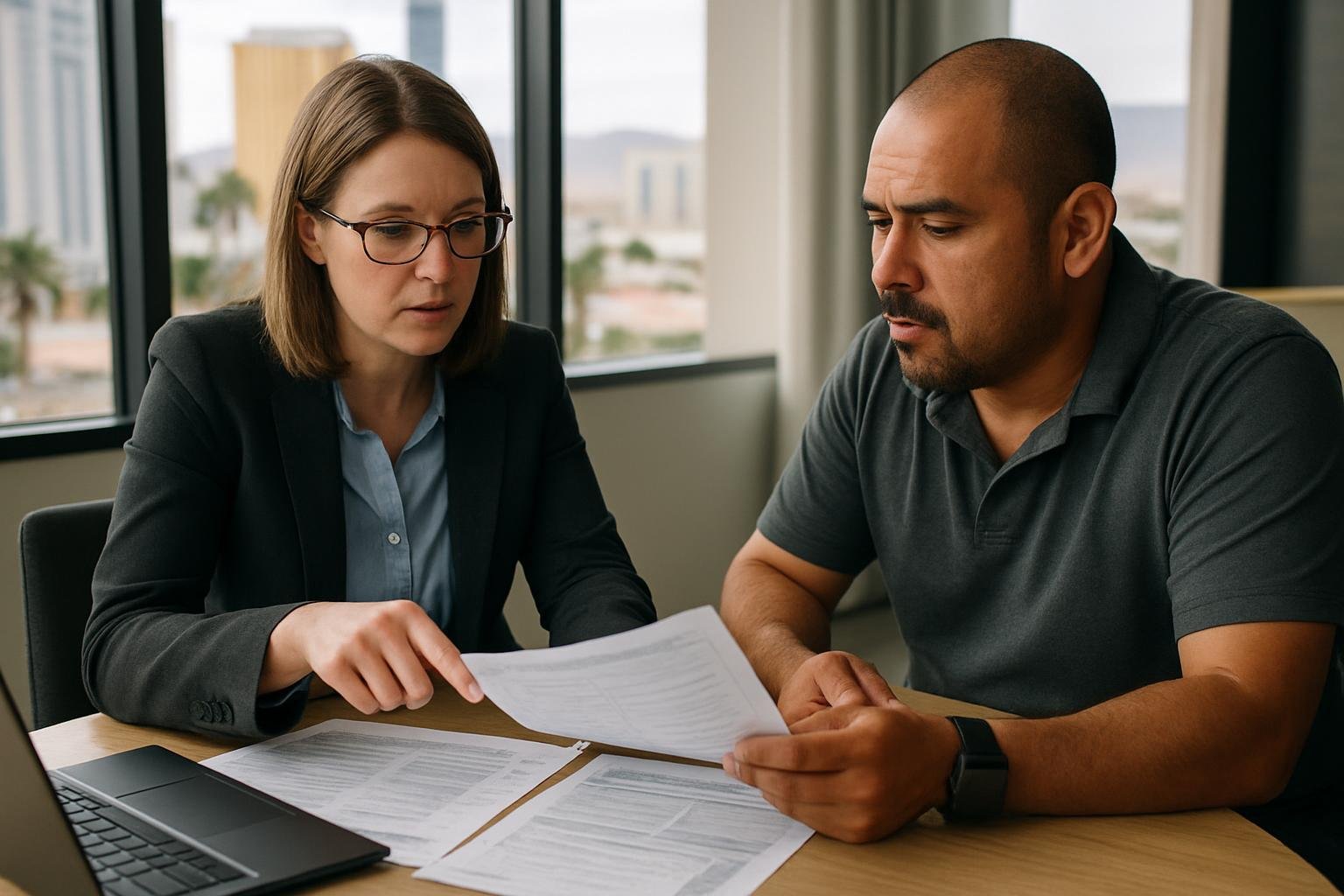
If you anticipate that a recent or upcoming ballot measure could impact your individual or business tax situation, preparing the right documents ahead of a meeting with a CPA or tax advisor is essential. Here’s a list to help you get started:
- Most recent tax returns (both personal and business, if applicable)
- Documents related to income sources in states outside Nevada (such as W-2s, 1099s, rental income statements, or business income reports)
- Business incorporation and entity status paperwork (LLC, S-corp, partnership documents)
- Records of property ownership or investments in states considering or enacting tax changes
- Previous correspondence or notices from state tax agencies, especially if you have multi-state tax obligations
- Payroll and employee data (if business tax rates or payroll-related measures are in question)
- Receipts or summaries of major purchases/sales that may be subject to new sales tax rules in affected states
Bringing these items will help your tax professional assess how new or pending tax measures apply to your unique situation, make accurate projections, and recommend timely actions. In situations where the ballot measure introduces substantial changes, such as new tax categories or alters the method of taxation for your business structure, it’s particularly beneficial to consult a certified public accountant familiar with multi-state compliance issues.
How NetFintax can help
Staying ahead of changes in state tax law can present challenges, especially as new measures alter filing or payment rules. Our team helps you interpret the impact of tax-related ballot measures and update your strategies so you’re well-prepared for every stage of the process. Book a consultation to discuss your specific questions with one of our experts.
If you’re looking for ongoing support to keep your business compliant and efficient during changing tax environments, explore our tax advisory services. This article is for general information only and is not tax, legal or accounting advice for your situation.
Frequently asked questions
A ballot tax measure is a proposal put directly to voters, allowing them to accept or reject changes in tax rates, structures, or uses of tax revenue. These measures can relate to various kinds of taxes, including personal, business, sales, or property taxes.
Ballot tax measures might change business tax rates, eligibility for credits, or compliance rules. If you operate in more than one state, or sell online to customers in different areas, changes outside your home state might still impact your tax obligations.
Nevada has no state personal income tax, so most changes to income tax laws in other states don't directly affect Nevada residents. However, Nevadans doing business or earning income in other states should monitor relevant changes there.
Review official guidance, update your financial and tax records, and check if your tax filing or payment obligations have changed. Consult a tax advisor to ensure compliance and spot new opportunities or requirements related to the change.
Not always. Many ballot tax measures have implementation dates in the future or require follow-up government action. Always check official resources for the timeline before making business or personal finance decisions.


Have a question about your situation?
Free consultation